From One Product to a Sustainable Business
One digital product might make money. Multiple complementary products build a sustainable business. Here’s how to think strategically about portfolio development.
The One-Product Problem
Revenue Ceiling:
- Limited market size (not everyone needs your specific product)
- Customer acquisition costs are spread thin
- No upsells or cross-sells
- Vulnerable to market changes
Business Risk:
- Product gets outdated or disrupted
- Can’t adapt to new trends
- Dependent on single revenue stream
- No leverage across customers
Market Perception:
- One-hit wonder perception
- Less valuable brand perception
- Difficult to build team/community
- Hard to charge premium prices
Successful product creators don’t stop at one. They build portfolios.
The Portfolio Strategy
Complementary Products are products that:
- Solve related problems for the same customer
- Work together (customer buys multiple)
- Share customer acquisition (one source, multiple sales)
- Increase lifetime value
Example Portfolio:
Customer pain: “I struggle with design and social media”
Product 1: Social media template pack ($27) → Solves immediate need, builds trust
Product 2: Design course + certificate ($97) → Deeper learning, upsell to existing customers
Product 3: Weekly template subscription ($9/month) → Recurring revenue, locks in customer
Product 4: Done-for-you social media service ($300+) → Premium tier for customers who want premium solution
Same customer, expanding needs = expanding revenue per customer.
The Core-Expand Strategy
Phase 1: Core Product
- Solve one problem really well
- Build customer base
- Gather testimonials and case studies
- Validate market fit
Phase 2: Expand Horizontally
- Build complementary product for same customer
- Leverage existing customer base
- Share marketing efforts
- Increase customer lifetime value
Phase 3: Expand Vertically
- Build premium/advanced version
- Create entry-level product (lower price point)
- Offer subscription or continuity program
- Build community/membership
Phase 4: Scale
- Own the entire customer journey
- Multiple revenue streams
- High customer lifetime value
- Perceived as category leader
Example Successful Portfolios
The Productivity Niche:
- Product 1: Project management template ($49)
- Product 2: Time-tracking spreadsheet ($29)
- Product 3: Weekly planning guide ($19)
- Product 4: Productivity course ($97)
- Product 5: Team management templates ($149)
- Community/membership: $15/month
Customer lifecycle: $20 → $150+ → $180+/year
The Design Niche:
- Product 1: Canva template pack ($37)
- Product 2: Brand identity kit ($87)
- Product 3: Social media course ($97)
- Product 4: Logo design guide ($47)
- Product 5: Design critique masterclass ($297)
- Community: $20/month
Customer lifecycle: $37 → $500+ → $240+/year
What Makes Products Complementary
True Complements:
- Same customer with related problems
- Different price points
- Different depth/complexity
- Used together naturally
Example of Good Combination:
- $27 template pack + $97 course (beginner → intermediate)
- $49 basic product + $199 premium version (different customer segments)
- $69 one-time purchase + $12/month subscription (different commitment levels)
Example of Bad Combination:
- Two nearly identical products at same price point (confusing)
- Products for completely different audiences (different marketing, no cross-sell)
- Low-quality products in portfolio (drag down perceived value)
The Portfolio Development Process
1. Identify Adjacent Problems Your core customer has related problems. What are they?
- Same pain point but deeper? (Course after template)
- Same goal but different approach? (Another solution)
- Before/after/between? (Setup guide → product → optimization guide)
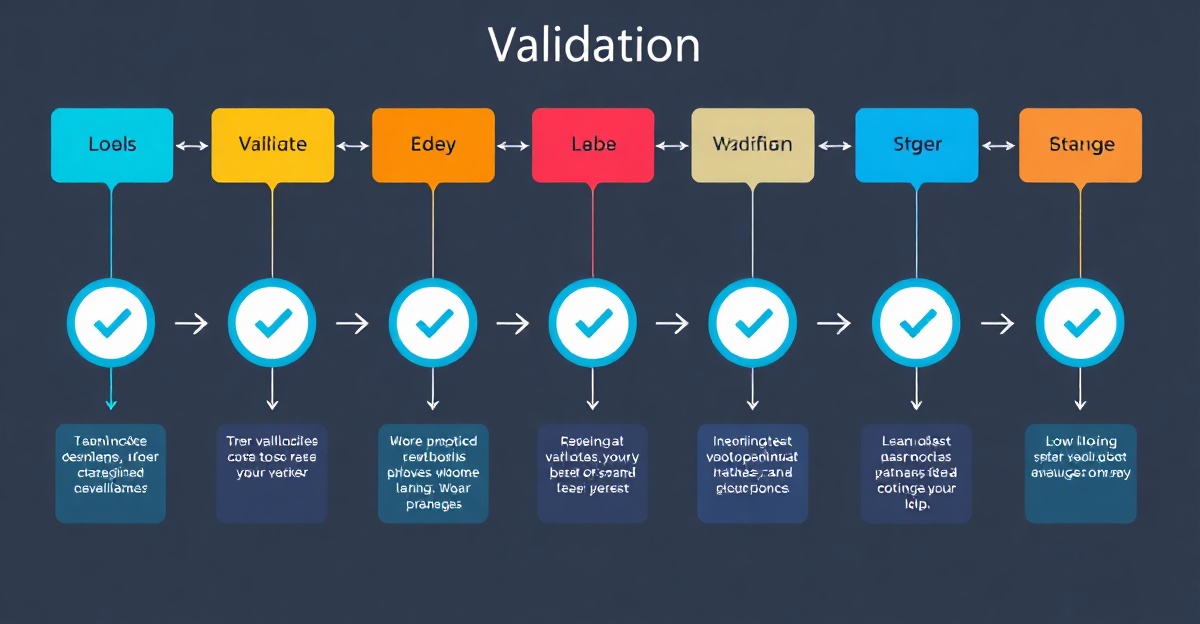
2. Validate Before Building Don’t assume people want it. Validate:
- Would customers buy this?
- How much would they pay?
- Does it complement core product?
3. Leverage Core Assets Build faster by reusing:
- Same customer list (marketing)
- Same brand/messaging (consistency)
- Same platforms (delivery)
- Same support (efficiency)
4. Create Clear Differentiation Each product needs distinct:
- Price point (clear why pay more/less)
- Complexity level (beginner vs. advanced)
- Format (different from other products)
- Benefit focus (different angle)
Pricing Your Portfolio
The Strategic Ladder:
$10/month   → Subscription (low commitment, recurring)
$29         → Entry product (first purchase, prove value)
$79         → Standard product (core offering)
$199        → Premium product (deep dive)
$599        → Ultra-premium (coaching/service)
$2000+      → Custom/enterprise (high-touch)
Customers self-select their level. Each tier serves different needs.
The Bundle Strategy: Offer discounts for buying multiple products:
- Buy 3 products: 20% off
- Buy all 5: 40% off
- Creates urgency and increases order value
Common Mistakes
Creating Too Many Products Spread thin trying to serve everyone. Build 3–5 related products, not 20 unrelated ones.
Not Differentiating Clearly If products seem too similar, customers get confused. Make it obvious why each exists.
Neglecting Quality One bad product damages your whole brand. Better to have 3 excellent products than 10 mediocre ones.
Wrong Pricing Strategy Too close in price confuses customers. Too far apart doesn’t feel coherent.
Ignoring Your Core Customer Build products for the customer in your core market. Chasing new audiences dilutes focus.
Launching Everything at Once Build reputation with core product first, then expand. Spread launches over time.
The Cohesive Brand
Successful product creators maintain:
- Consistent branding (same style, colors, voice across products)
- Clear positioning (all products address related needs)
- Unified messaging (same audience, same problems, different angles)
- Connected delivery (customers flow between products naturally)
This creates an ecosystem, not scattered products.
Portfolio Maintenance
Don’t just launch and forget:
- Update products based on customer feedback
- Refresh designs every 12–18 months
- Add new content periodically
- Remove outdated information
- Maintain quality standards
Products degrade over time. Maintenance keeps them valuable.
The Long-Term Vision
Year 1: One strong core product Year 2: Core product + 1 complement Year 3: 3–4 related products, customer lifetime value 3–5x higher Year 5: Portfolio generates consistent revenue, strong brand, clear expertise
The businesses that thrive aren’t one-product wonders. They’re portfolio builders.
Your Next Step: What related problem could your core customer benefit from solving? Sketch out 2–3 portfolio products that would complement your core offering. Which one would you build first?