
Your Launch Timeline: From Idea to First Sale
Launching successfully doesn’t require perfect execution—it requires a strategic approach. Follow these phases to launch with confidence.
Phase 1: Foundation (Weeks 1–2)
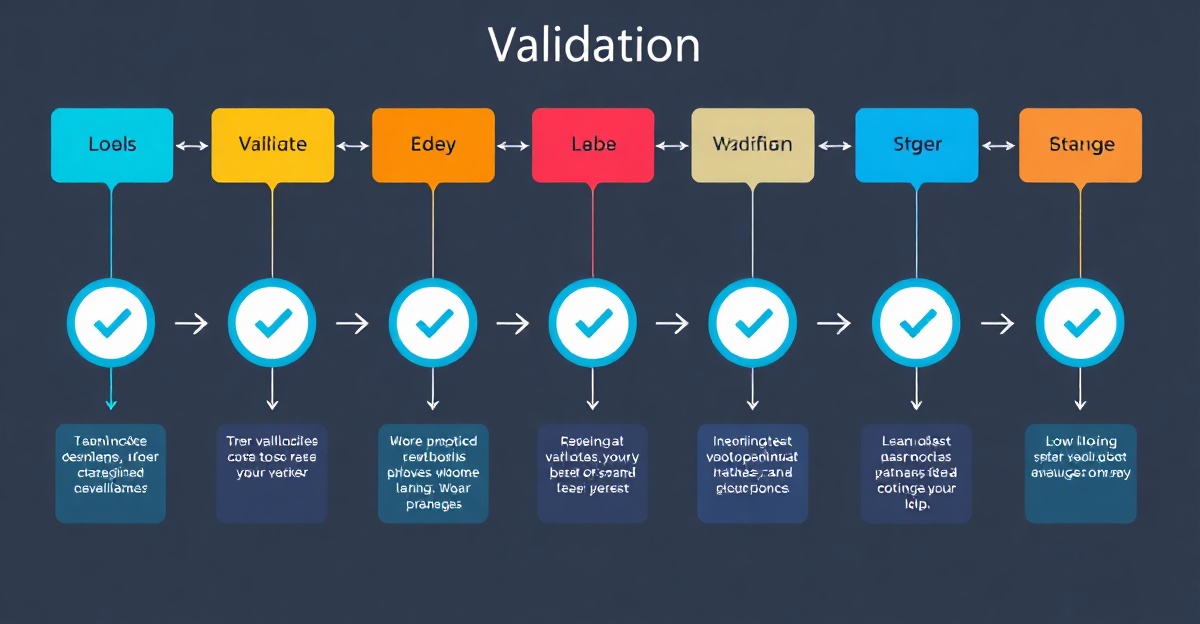
1. Validate Your Idea Before investing heavily, confirm demand exists:
- Interview 5–10 target customers
- Get pre-commitments or waitlist signups
- Research competitor pricing
- Validate financial viability
2. Create Your Product Brief Document:
- What problem does it solve?
- Who is the ideal customer?
- What’s included in the product?
- What’s the pricing?
- What’s your unique angle?
3. Set Launch Goals Be realistic:
- First month sales target (aim for 10–30 sales for first-time creators)
- Email list size needed to launch
- Marketing channels you’ll use
- Success metrics beyond just revenue
Phase 2: Creation (Weeks 3–6)
1. Build Your MVP (Minimum Viable Product) Don’t make this perfect. Make it useful:
- Include only core features
- Document clearly
- Get feedback from beta testers
- Improve based on feedback
2. Gather Marketing Materials
- Professional product images/screenshots
- Video demos or testimonials
- Description copy that sells (benefits, not features)
- Pricing page with clear value proposition
3. Set Up Your Sales Infrastructure
- Choose a platform (Gumroad, SendOwl, your own site)
- Create checkout process
- Set up delivery mechanism (email, download link, account access)
- Create invoice/receipt templates
Phase 3: Pre-Launch (Weeks 7–8)
1. Build Your Email List Start now—don’t wait for launch:
- Create simple landing page
- Offer early-bird discount (15–25% off)
- Target your existing audience
- Goal: 50–100 emails minimum before launch
2. Create Launch Content Plan your marketing approach:
- Launch day announcement email
- Social media posts (mix of education, urgency, social proof)
- Blog post or article supporting the product
- Video or podcast episode about the problem/solution
3. Get Social Proof
- Reach out to beta testers for testimonials
- Ask customers in your network for quotes
- Get 3–5 short video testimonials if possible
- Line up any influencers who might share
4. Final Quality Check
- Test purchase flow (buy it yourself)
- Verify delivery mechanism works
- Check for typos and broken links
- Have someone else test everything
Phase 4: Launch (Week 9)
Day 1: Launch Announcement
- Email your list (first launch day exclusive offer)
- Post on social media
- Share in communities where your audience hangs out
- Tell your personal network
Days 2–3: Build Momentum
- Share customer testimonials
- Post case studies or success stories
- Create urgency with limited-time bonuses
- Engage with comments and questions
Days 4–7: Sustain Interest
- Follow up with non-buyers
- Share more detailed product walkthroughs
- Offer payment plan option
- Remind about deadline if you set one
Phase 5: Post-Launch (Week 10+)
1. Gather Feedback
- Email customers asking what they loved and what could improve
- Get detailed testimonials (including before/after)
- Ask for permission to use their success stories
2. Iterate & Improve
- Update product based on customer feedback
- Create additional resources for customers
- Build community (Discord, group, forum)
3. Plan Next Steps
- Create related products
- Plan launch #2 (always on the horizon)
- Systematize your marketing approach
- Scale what works
The Essential Checklist
Pre-Launch Checklist:
- Product validated with real customers
- MVP created and tested
- Pricing strategy decided
- Sales platform set up
- Email list of 50+ people
- Product images/video ready
- Landing page live
- Testimonials/social proof gathered
- Launch email sequence written
- Social media content calendar planned
- Launch messaging finalized
Launch Day Checklist:
- Send launch email to list
- Post on all social channels
- Share in relevant communities
- Tell your personal network
- Monitor for issues
- Respond quickly to inquiries
- Celebrate first sales!
Pricing Strategies That Work
The Early-Bird Approach (Recommended):
- Offer 20–30% discount to first buyers
- Creates urgency (“Limited time”)
- Gets testimonials from happy customers
- Momentum builds momentum
The Steady Approach:
- Launch at target price
- Offer payment plans
- Build in refund guarantee
- No artificial scarcity
The Tiered Approach:
- Basic tier at lower price point
- Standard tier at mid-range
- Premium tier with extras
- Upsell to higher tiers
Common Launch Mistakes
Launching With No Audience Build email list before launch, not after.
Overshooting on Perfection Your product doesn’t need to be perfect. It needs to be useful. Launch and iterate.
No Clear Value Proposition Busy people need to understand immediately why they should care. Make it obvious.
Insufficient Social Proof At minimum, get 3–5 testimonials. More is better.
Poor Sales Copy Focus on benefits (what it enables) not features (what it includes).
Ignoring Follow-Up Most sales happen after launch day. Have a follow-up sequence ready.
Setting Unrealistic Goals First products rarely do $10k in launch week. Set realistic goals, celebrate wins.
Realistic Launch Expectations
First Month Reality:
- 10–30 sales (if well-executed): solid launch
- 30–50+ sales: very successful
- 50+ sales: exceptional (you’ve done something very right)
These numbers depend on:
- Quality of your audience (size and relevance)
- Marketing effort (how hard you push)
- Product quality (does it deliver on promise)
- Pricing appropriateness (is it fair value)
Post-Launch Momentum
Your launch doesn’t end after week 1. Winners:
- Run launch period for 2–4 weeks
- Continue email follow-ups
- Build anticipation for their next product
- Treat first customers like VIPs
- Get their success stories and testimonials
The 90-Day Plan
Month 1: Launch and survive Month 2: Learn and improve Month 3: Plan next product or launch #2
By month 3, you should have:
- Customer feedback incorporated
- Product improvements made
- Sales system refined
- Marketing approach validated
- Ideas for next product
You’re Ready
You have everything you need. The only missing ingredient is action.
Pick your digital product idea. Validate it. Build it. Launch it.
Start today: What’s one thing you could do this week to move toward your launch?