Why Digital Certificates Matter
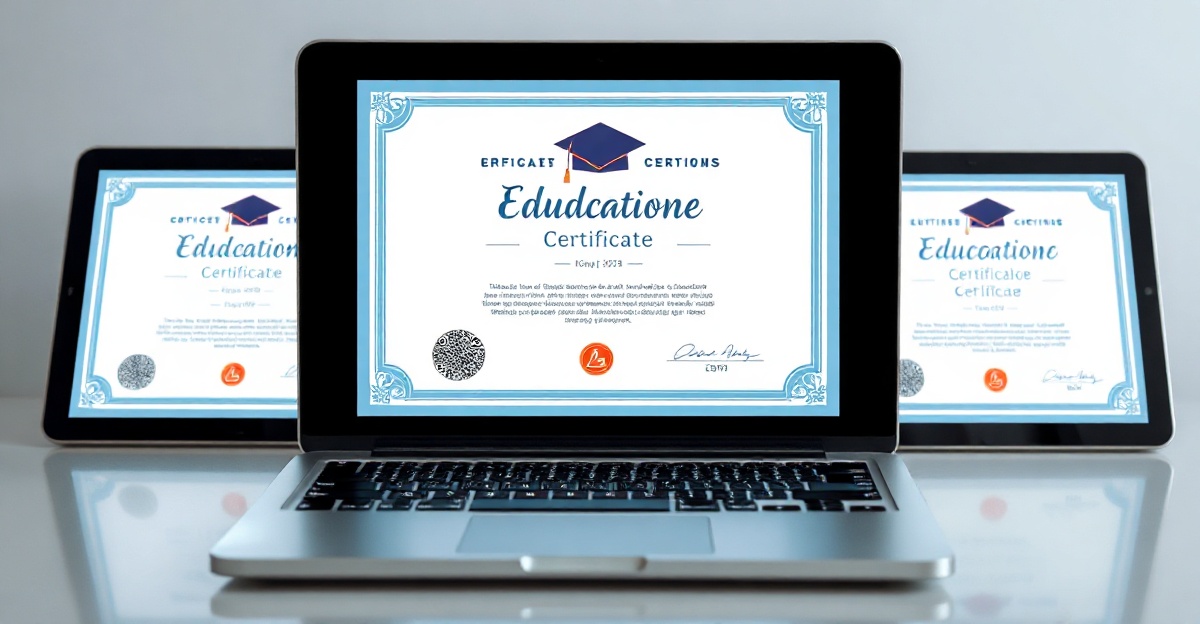
In 2026, digital certificates are more valuable than ever. They serve as proof of learning that professionals can share on LinkedIn, resumes, and portfolios. For course creators, certificates increase perceived value and completion rates.
Benefits of Digital Certificates
For Students
- Portable credentials they can share instantly
- LinkedIn-ready proof of skills and knowledge
- Tangible motivation to complete your course
- Professional appearance that looks impressive to employers
For Course Creators
- Increased enrollment confidence (students value certifiable courses)
- Higher completion rates (students are motivated to finish)
- Professional brand perception
- Reduced refund requests when value is clear
Setting Up Your Certification System
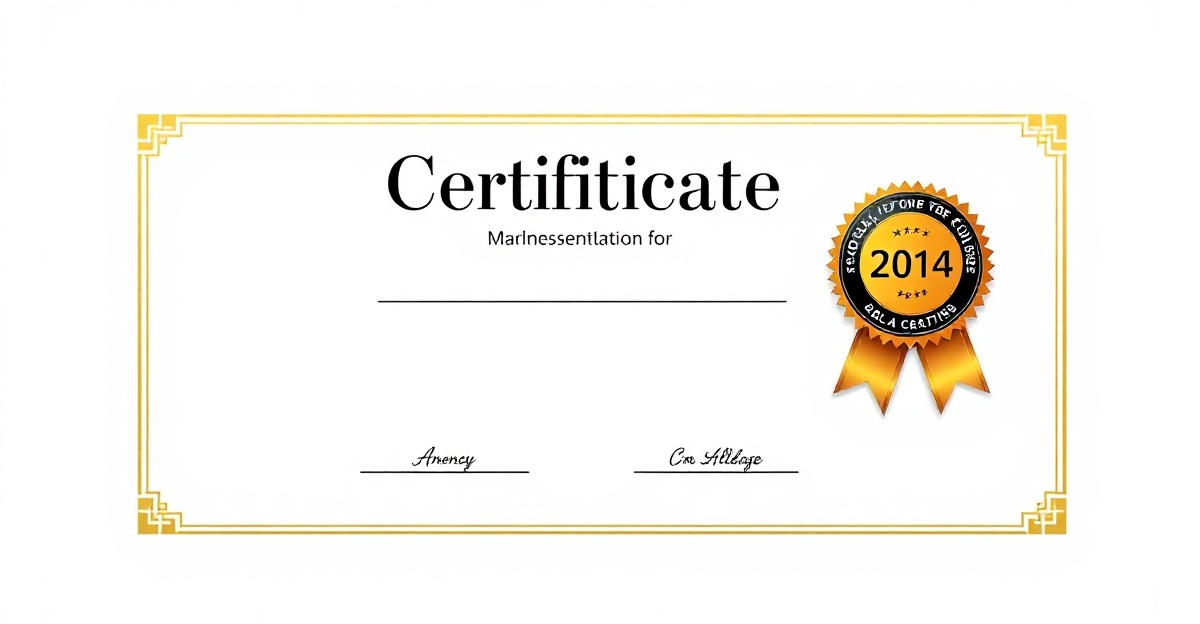
Step 1: Design Professional Certificates Your certificate is your brand. Include:
- Your course/brand name prominently
- Student name field
- Course completion date
- Your signature or seal of authenticity
- Certificate ID for verification purposes
Step 2: Choose a Delivery Method
- PDF Certificates: Simple, downloadable, shareable
- Digital Badges: Shareable on LinkedIn and other platforms
- Blockchain Certificates: Verifiable and tamper-proof (advanced option)
Step 3: Automation Use tools that automatically generate and email certificates upon course completion. Manual certificate distribution doesn’t scale.
Step 4: Make Them Verifiable Include a verification URL or code so employers can verify certificate authenticity. This adds credibility and prevents fraud.
Best Practices for Digital Certificates
Design Professionally Your certificate reflects your course quality. Invest in professional design that matches your brand. Templates are fine, but customize them thoroughly.
Include Certificate Details
- Specific course name and focus area
- Completion date (not open-ended “valid” dates)
- Learning objectives achieved
- Your accreditation or credentials (if applicable)
Promote Certificate Value Tell students upfront that they’ll receive a shareable certificate. Include this in marketing, course descriptions, and sales pages. It’s a significant benefit.
Track Certificate Distribution Monitor which students are downloading and sharing their certificates. High sharing rates indicate high satisfaction and quality learning.
Common Certificate Mistakes
Generic, Cheap-Looking Designs Your certificate is the lasting impression students have of your course. Invest in quality design.
Overcomplicating the Process Don’t require students to jump through hoops to get their certificate. Make it automatic and effortless.
Not Making Them Shareable If students can’t easily share their certificates on LinkedIn, you’re missing free marketing.
Setting Unrealistic Completion Thresholds If your certificate requires 100% completion and perfect scores, most students won’t qualify. Consider 80% completion or passing score instead.
The ROI of Digital Certificates
Students are 40% more likely to complete courses that offer certificates. That translates directly to:
- Better testimonials and reviews
- Higher lifetime student value
- Increased referrals
- Stronger reputation in your industry
Next Step: Design your first certificate and implement automated delivery. The effort now pays dividends in student satisfaction and course success.